Sports
Many homeschoolers enjoy sports as part of their homeschooling curriculum and lifestyle. More and more sports leagues are forming to meet the specific needs of homeschooling families. Explore some of the options available to you and your family.
Homeschool Sports Leagues
Home School SportsNet
This homeschool sports league supports homeschool parents, athletes, coaches, teams and organizations through means of an interactive website, newsletters, workshops and free postings. They provide national athletic events for homeschool students in a Christian environment. They offer encouragement to new start-up teams as well as established organizations with online materials and resources. They also have partnered with other organizations to offer sports insurance, uniforms, fundraising resources, and college recruitment.
Homeschool Basketball USA
Homeschool Basketball USA is a member of the National Christian Homeschool Athletic Association (NCHAA). This site is dedicated to providing news links, resource links, opportunities, information, and more about homeschool basketball across the USA, as well as to promote its growth and development.
High School and College Athletics for Homeschoolers
Home School Transcript Example
This pdf offers an example homeschool transcript that would be suitable to determine eligibility for NCAA purposes to participate in college-level athletics.
NCAA Guidelines for Home School Students
The National Collegiate Athletic Association (NCAA) is a voluntary organization through which the nation's colleges and universities govern their athletics programs. If you want to play NCAA sports at a Division I or II school, you need to register with the NCAA Eligibility Center if you were home schooled for any part of high school. If you are planning to attend a Division III school, you do not need to register with the NCAA Eligibility Center.
Home School Administrator and Accordance Statement
This form should be filled out by the parent administering the home school program for their NCAA-eligible student wishing to pursue collegiate-level sports.
So, You Want to Play College Ball?
Good news for homeschoolers who want to receive NCAA (National Collegiate Athletic Association) scholarships and participate in college sports! Homeschoolers have finally been recognized as high school graduates by the NCAA. Homeschool students no longer have to go through the “waiver process,” but can now register in the same manner as “traditionally schooled” graduates.
Home School Toolkit
This comprehensive toolkit publication guides homeschoolers to determine their NCAA eligibility. This pdf file covers classification of the homeschool program, evaluation of home school umbrella programs, transcript information, proof of graduation, a core-course worksheet, a discussion of the evaluation process, and an extensive list of resources for the home educating family.
State Laws Concerning Participation of Homeschool Students in Public School Activities
This is a list of states that have addressed issues of homeschooler participation in public school classes, sports,
activities, etc.
Home School Checklist
This home school checklist from the NCAA Eligibility Center offers an easy to use list of elements needed to evaluate a student's eligibility to play college sports (Division I or II schools).
A House Divided: Homeschool Students on School Sports Teams
As the number of high school students who are homeschooled continues to rise, leaders in high school sports across the country face growing interest among these students and their parents to play sports on their local public school teams. Interest continues to build in homeschoolers’ participation on public schools sports teams. In some states, that option exists, although the requirements vary from state to state with some states requiring part-time enrollment in the local school. In other states, the debate continues as to whether homeschooled students should be allowed to play on the local high school team alongside students who attend classes at the school all day long.
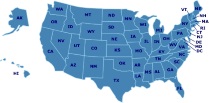
Looking for Another State?
Featured Resources
As an Amazon Associate, we earn from qualifying purchases. We get commissions for purchases made through links on this site.

For the Learners' Sake: Brain-Based Instruction for the 21st Century
This proposal for a platform of education reform needed to prepare students for a 21st-century workplace and society draws on information and ideas from two current areas in neuroscience: brain research (physiology and applications to learning) and systems thinking (mental models). Analyzing the history of education methodology over the past two centuries, this book shows how the 19th-century factory model prevalent in schools today fail to produce the kinds of flexible thinkers and problem solv...
Learning Language Arts Through Literature
Learning Language Arts Through Literature is a fully integrated language arts program that teaches grammar, reading, spelling, vocabulary, writing mechanics, creative writing, thinking skills and more.

Why We Homeschool
It is a common misconception that most parents homeschool due to bullies, school shootings, or bad teaching content. While these things are important, there is a higher purpose for choosing to home education your children. Even if all those things were corrected, there are stronger reasons to stay committed to the homeschool model. So why do you homeschool? This book looks at the meaning and significance of a true Christian education.

Field Trips: Bug Hunting, Animal Tracking, Bird-watching, Shore Walking
With Jim Arnosky as your guide, an ordinary hike becomes an eye-opening experience. He'll help you spot a hawk soaring far overhead and note the details of a dragonfly up close. Study the black-and-white drawings -- based on his own field research -- and you'll discover if those tracks in the brush were made by a deer or a fox.In his celebrated style, this author, artist, and naturalist enthusiastically shares a wealth of tips. Jim Arnosky wants you to enjoy watching wildlife. He carefully expla...

Educational Travel on a Shoestring : Frugal Family Fun and Learning Away from Home
Educational Travel on a Shoestring shows parents how they can help their children learn–and have a blast–while traveling. From researching destinations to sharing activities that both teach and entertain, this priceless guide offers practical information for parents who want to have more fun with their kids, build closer family ties, and enjoy richer educational experiences–all without spending a fortune.